


Breathable Systems,
Not Just Products
Every system we specify is chosen for its compatibility with Maltese building fabric, climate and construction methods. We design complete solutions — not individual product sales.
- Lime Plaster Systems
- Breathable Paints
- Ventilation & HRV Systems
- Internal Insulation

Lime Plaster Systems
The foundation of every breathable renovation
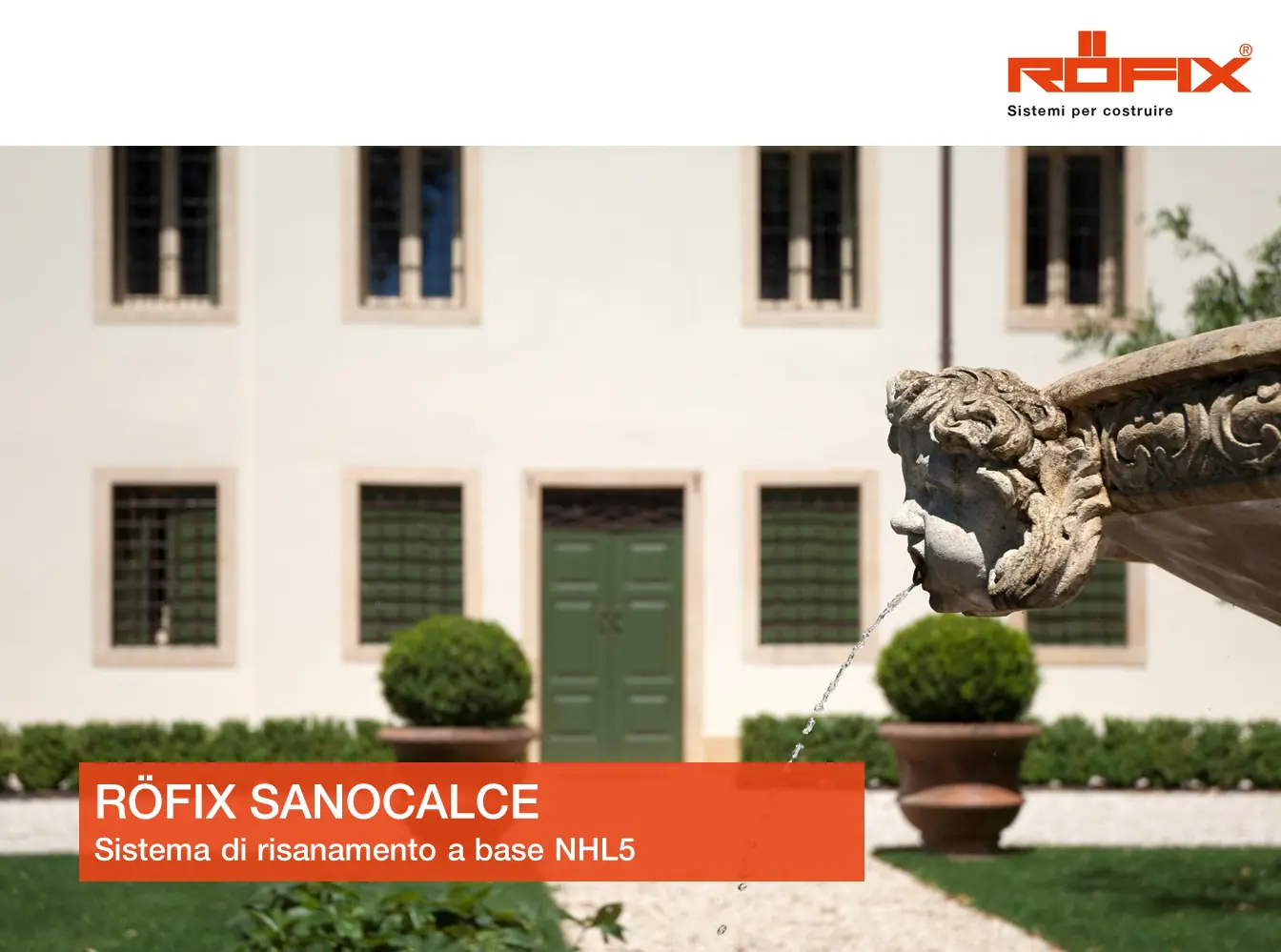
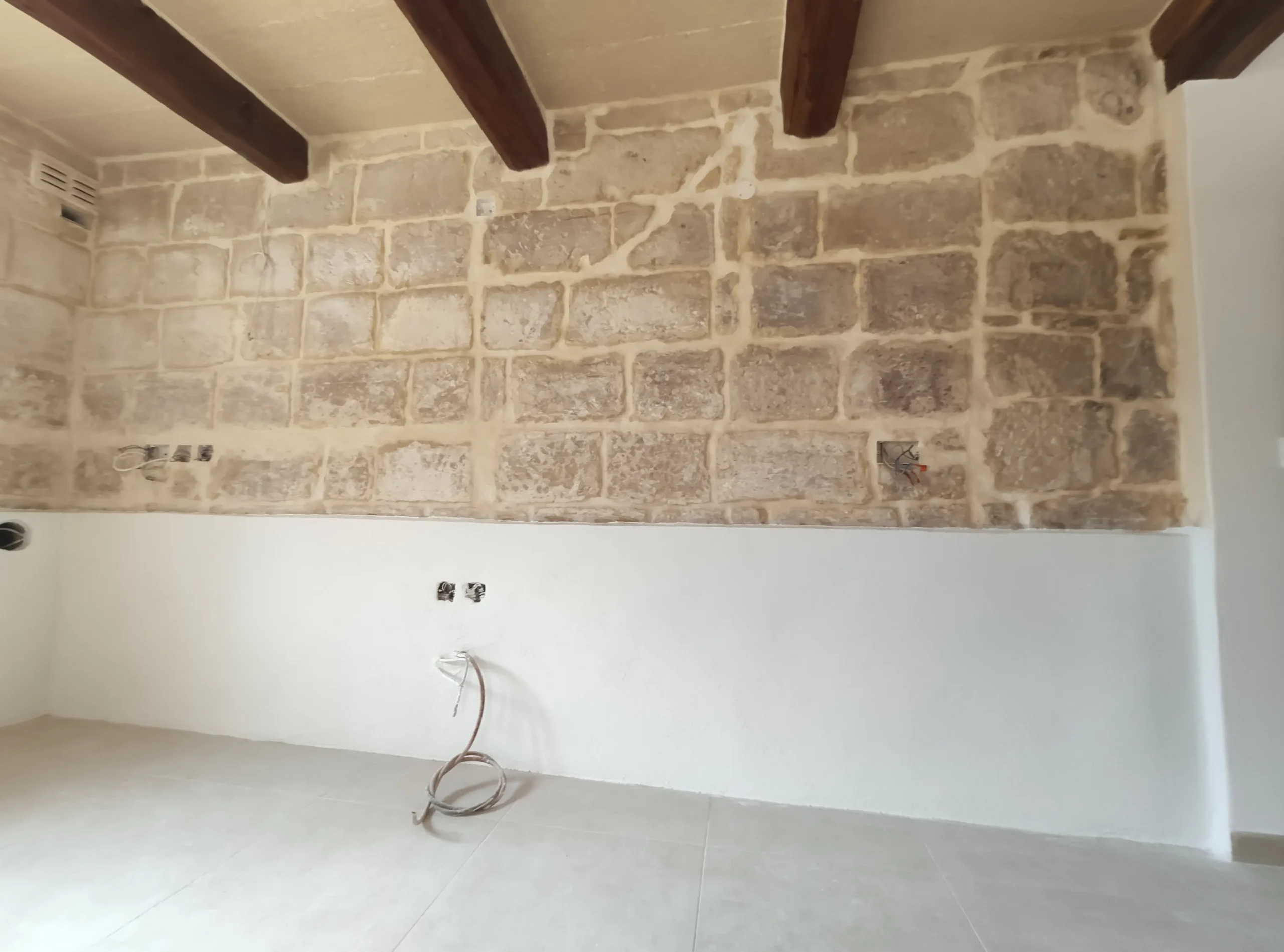
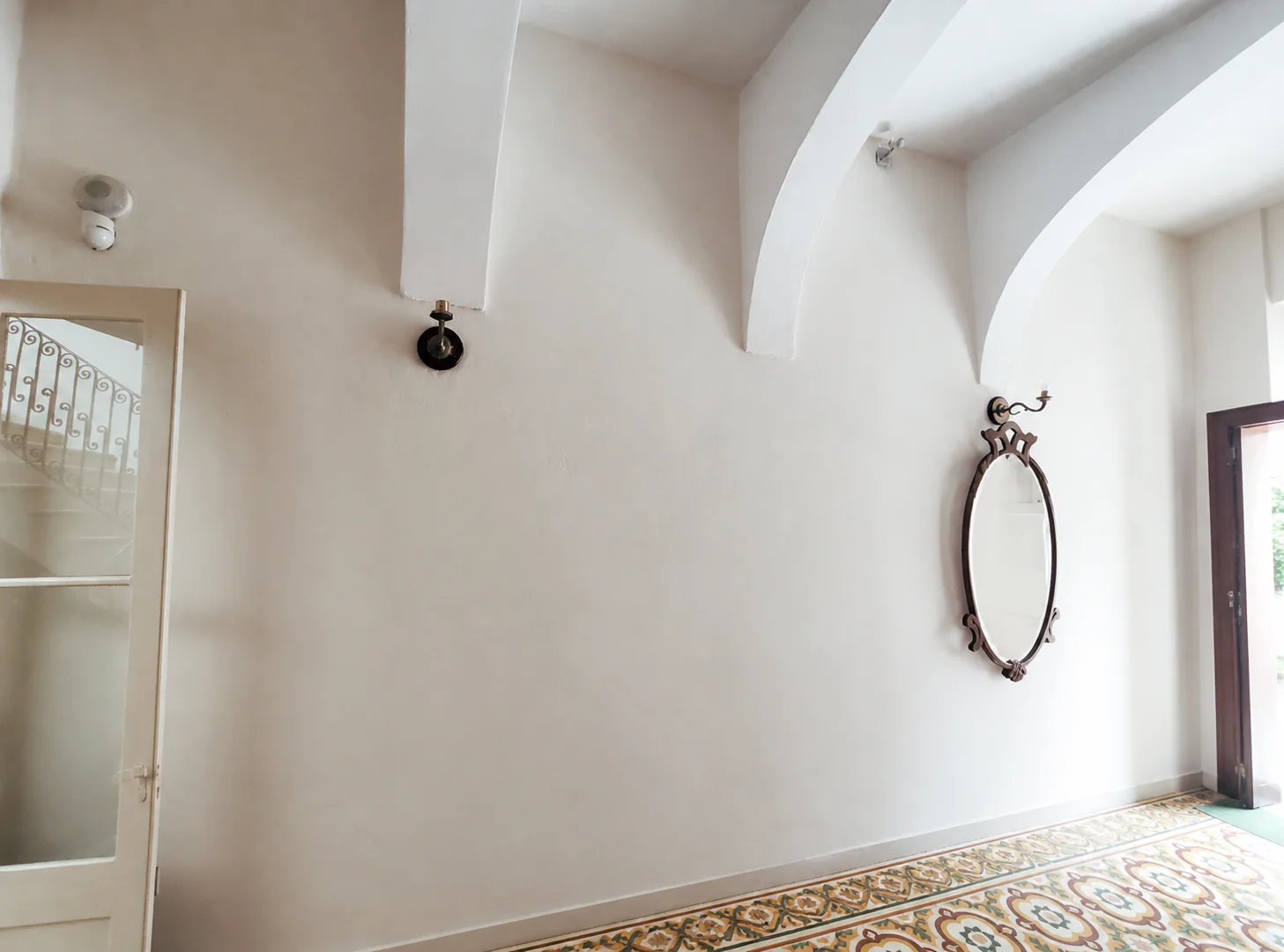
RÖFIX lime plaster systems are the cornerstone of our approach to humidity treatment in Maltese buildings. These high-performance, NHL (Natural Hydraulic Lime) based plasters are specifically formulated to manage moisture, resist salt crystallisation and allow walls to breathe freely.
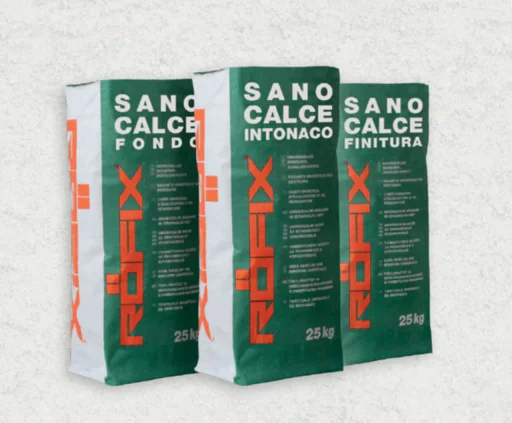
Unlike cement renders, lime plasters are vapour-permeable — they allow moisture to move through the wall and evaporate safely at the surface. This prevents the pressure build-up that causes plaster failure and salt damage. RÖFIX systems include specialist salt-resistant base coats, capillary-active renders and fine finishing plasters, all designed to work as a complete system.
Vapour-Permeable
Allows moisture to move freely through
the wall system
Salt-Resistant
Specially formulated to withstand salt
crystallisation pressure
Heritage-Compatible
Approved for use on listed and conservation buildings
Long-Lasting
Properly applied lime plaster lasts decades, not years
Applications

Breathable Paints
Mineral coatings that work with your walls, not against them
Vapour-Open
Near-zero Sd value — moisture passes through freely
UV-Stable
Mineral silicate paint - highly compatible with lime plasters.
Anti-Mould
Alkaline pH inhibits mould and algae growth naturally
Natural Colours
Wide range of authentic mineral and earth tones
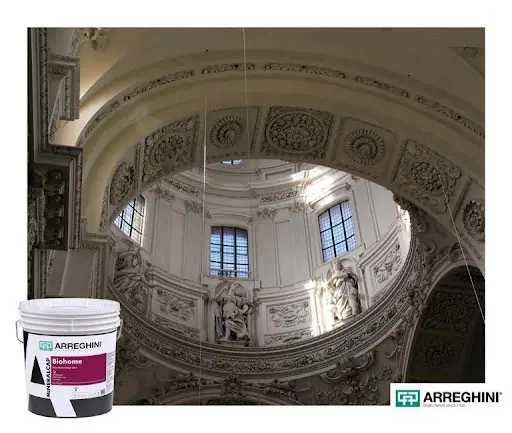
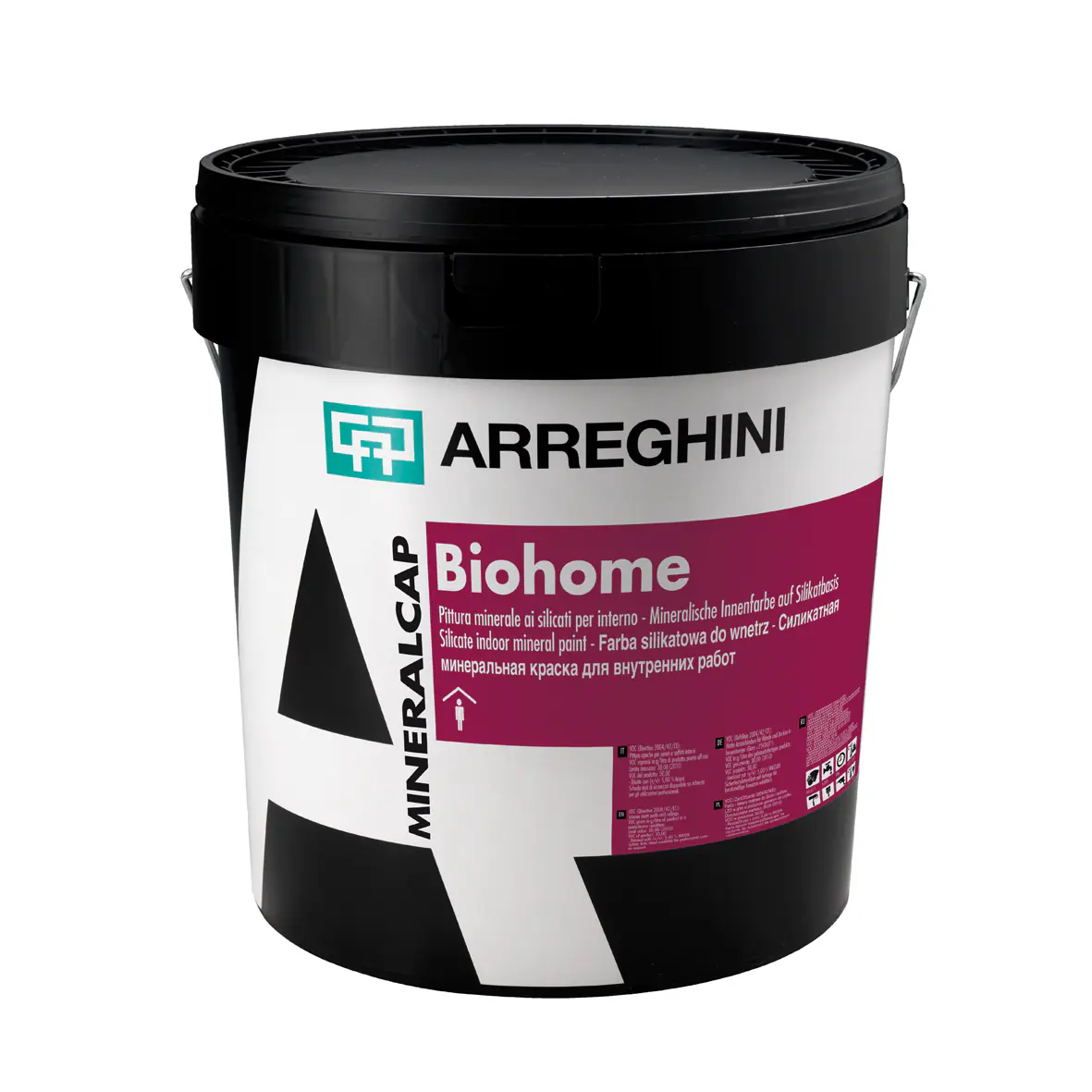
Arreghini mineral and silicate paints represent the pinnacle of breathable coating technology. Unlike conventional acrylic paints that form an impermeable film on the surface, these mineral coatings chemically bond with the substrate and remain permanently vapour-open.
The key difference is vapour permeability. Arreghini silicate paints have a water vapour diffusion resistance (Sd value) close to zero — meaning moisture passes through them as freely as through open air. This eliminates the pressure build-up that causes conventional paint to blister and peel.
Applications

Ventilation & HRV Systems
Fresh air, recovered heat, controlled humidity
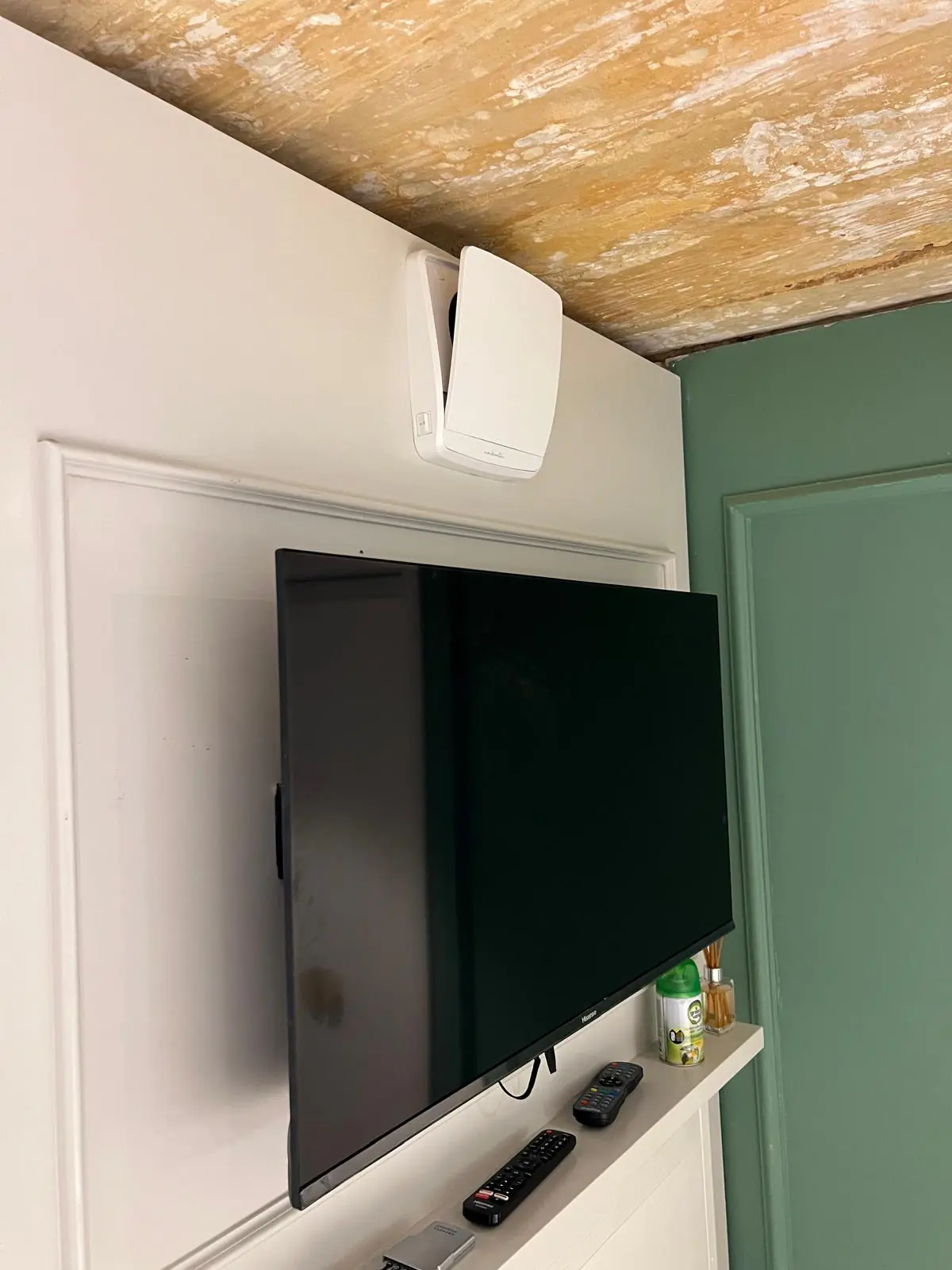
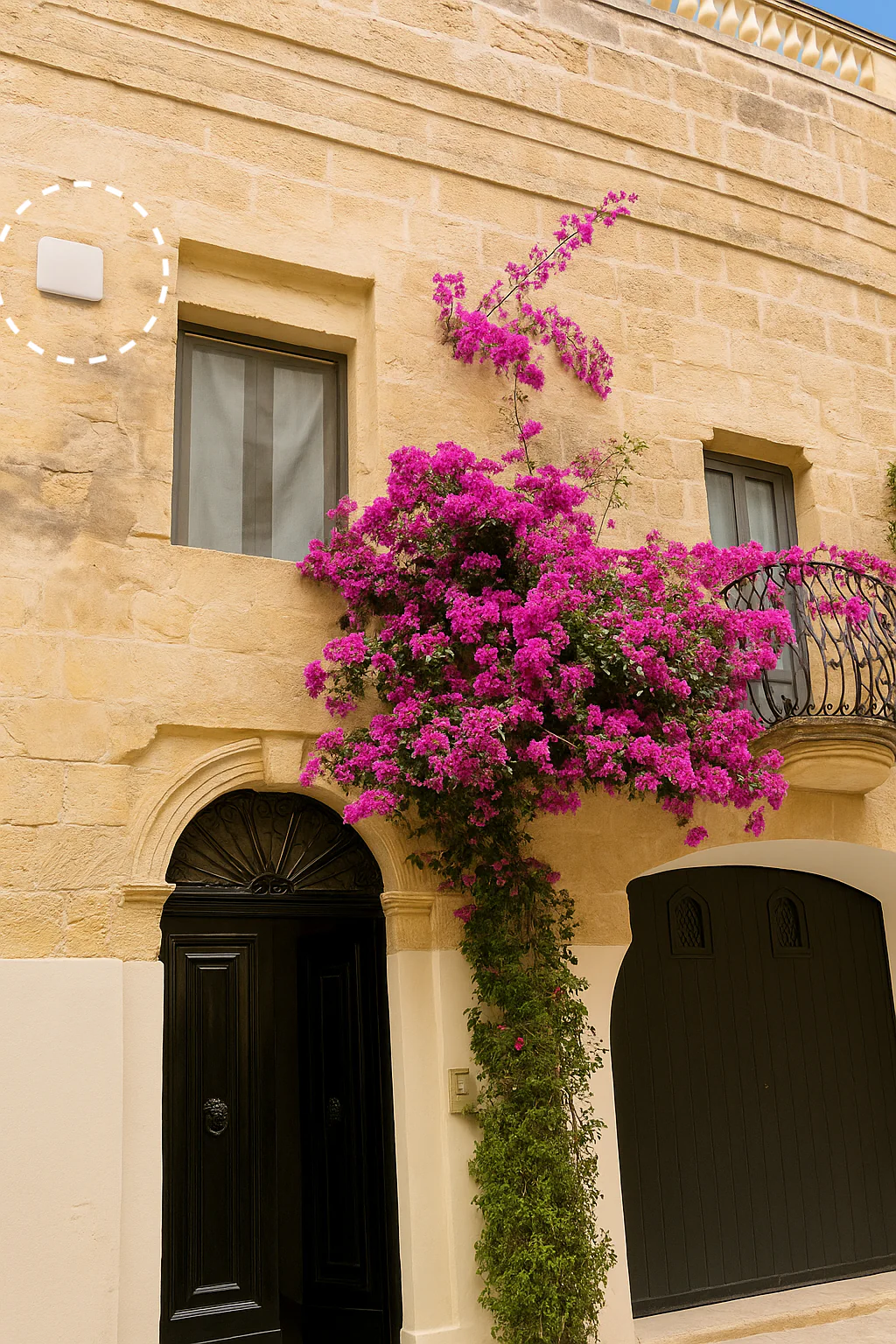
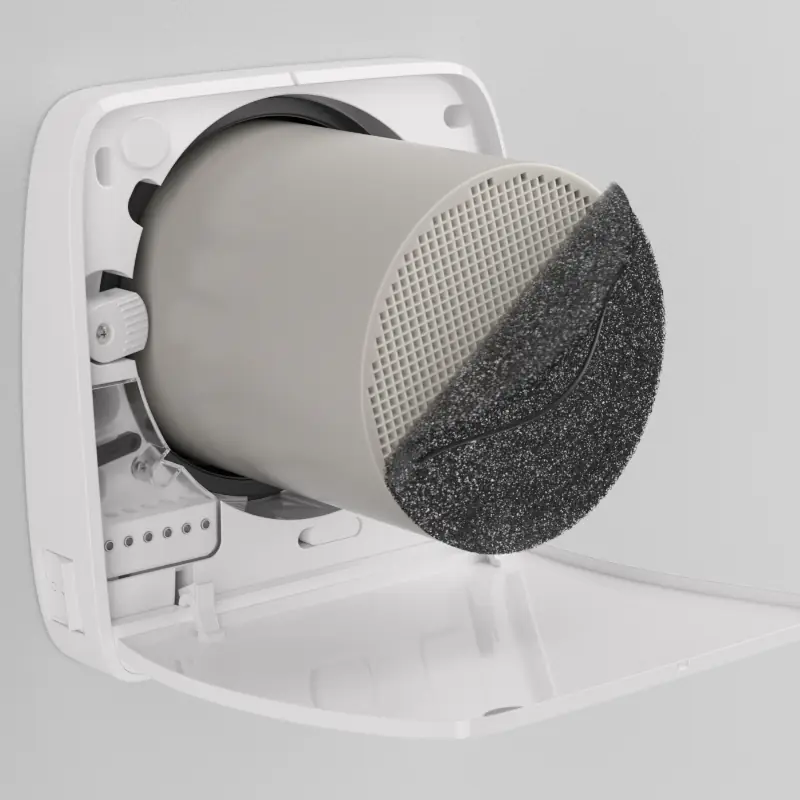
Ambientika decentralised heat recovery ventilation (HRV) units provide continuous, controlled fresh air exchange without the energy loss of conventional ventilation. Each unit recovers up to 96% of the heat from outgoing air, making them ideal for Malta’s climate.
These compact, wall-mounted units work in pairs — one unit extracts stale, humid air while the paired unit supplies fresh filtered air. The ceramic heat exchanger core recovers heat from the outgoing air and transfers it to the incoming air. The result is continuous fresh air, dramatically reduced indoor humidity and no cold draughts. Units can be installed in existing buildings with minimal disruption — just a single core hole through the wall.
Heat Recovery
Up to 96% heat recovery — minimal energy loss
Silent Operation
Near-silent at normal operating speeds
Easy Retrofit
Single core hole installation in existing buildings
Smart Control
App-controlled with humidity sensors and scheduling
Applications

Internal Insulation
The only safe internal insulation for Maltese buildings
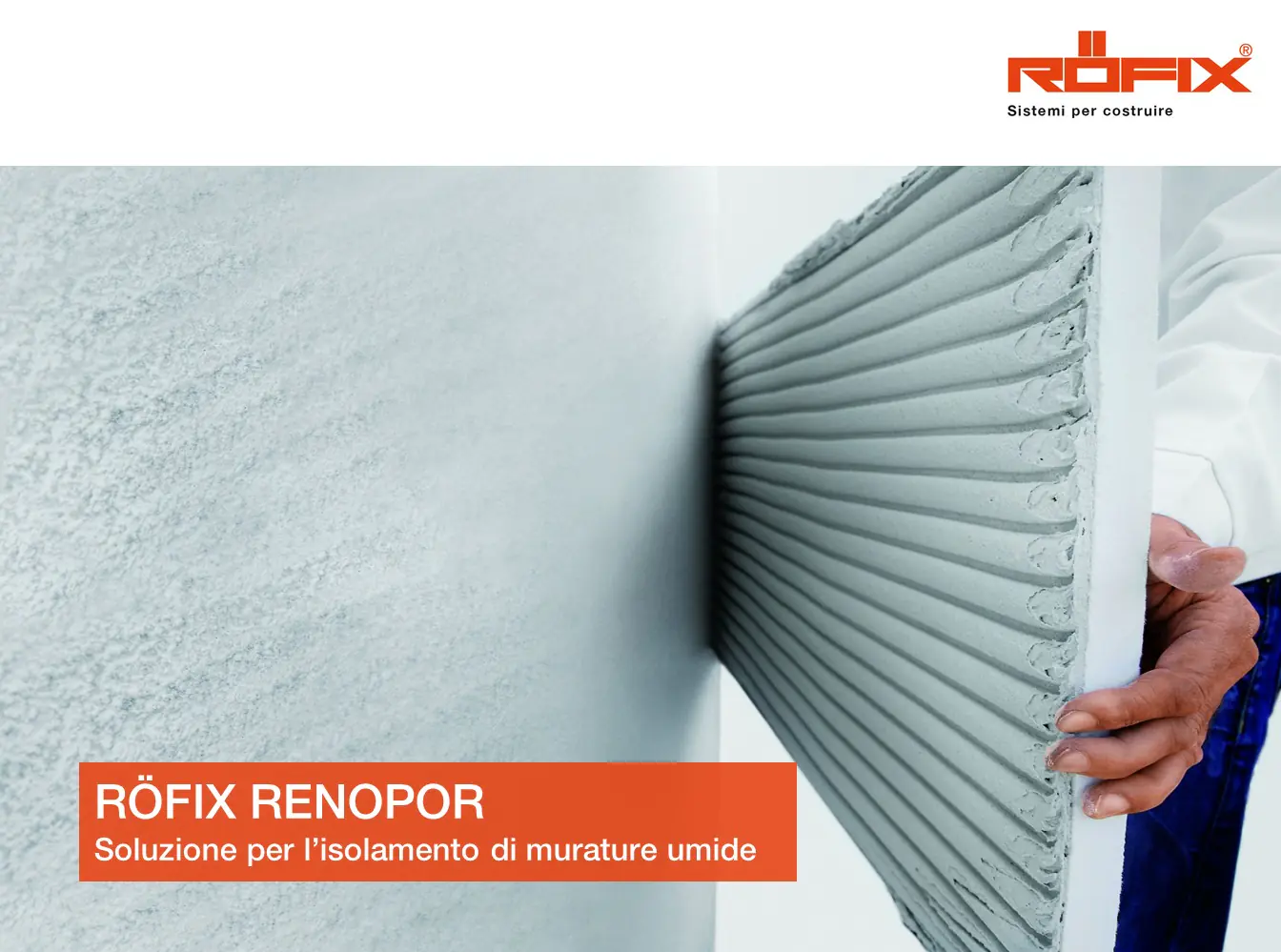
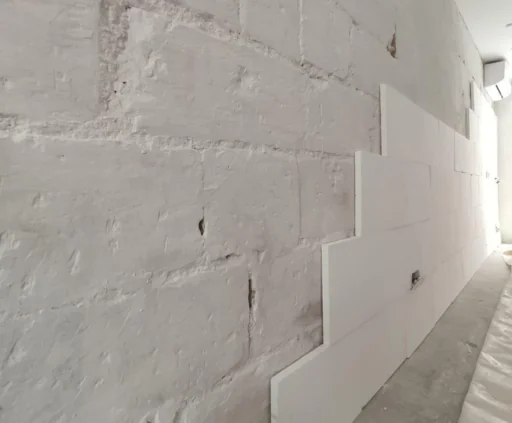
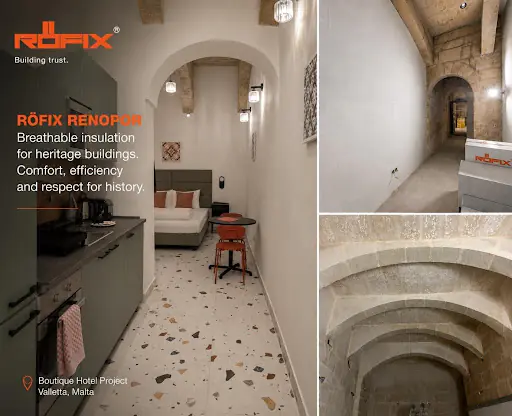
Renopor capillary-active insulation boards solve the fundamental problem with conventional internal insulation: condensation risk. By using a highly porous, capillary-active material, Renopor boards allow any moisture that reaches the cold surface to be absorbed and redistributed — eliminating the risk of interstitial condensation.
Conventional internal insulation creates a cold surface behind the insulation layer where condensation forms — often invisibly, causing mould and structural damage. Renopor’s unique capillary-active structure prevents this by absorbing and redistributing moisture before it can condense. The boards are thin (typically 40–80mm), easy to install and can be finished with lime plaster and breathable paint for a complete breathable system.
Capillary-Active
Absorbs and redistributes moisture — no condensation risk
Thin Profile
Minimal room loss — typically 4cm total system
Thermal Bridge Reduction
Significantly reduces cold spots and thermal bridges
No Vapour Barrier
Highly breathable - won't trap moisture behind it.
Applications
Why Breathability Matters More Than Waterproofing
The instinct when dealing with damp is to seal it out. But in most Maltese buildings, moisture is already inside the walls — and sealing it in causes far more damage than letting it breathe out.
Breathable systems work with the natural moisture movement of the building. They allow vapour to pass through freely, preventing pressure build-up, salt crystallisation and the cycle of failure that comes with impermeable products.
Impermeable Systems
- Trap moisture inside
- Cause pressure build-up
- Leads to salt damage
- Fails repeatedly
Breathable Systems
- Allow vapour movement
- Prevent pressure build-up
- Manage salt safely
- Last for years
Ready to Specify the Right System?
Every building is different. Book an onsite consultation and we’ll design the right breathable system for your specific situation.